What budget do you have in mind for one closet?
Angi's 2026 custom closet average is $2,128.
No votes yet. Yours will be the first. · saved on this device
Loading...
Closet Flow Guide · Costs
In 2026, Angi puts the average installed closet organizer at $1,542 and a custom closet at $2,128, with reach-ins from $800 and walk-ins to $5,500. Pantry systems run $1,000 to $3,000, whole-garage systems average about $3,500 per Fixr, and a mudroom addition averages $12,000. Material, drawers, brand and anchoring conditions move each figure most.
By Closet Flow Guide editorial · Updated 2026-09-25
Storage is priced unlike most home projects. Closet and garage systems are quoted by the linear foot of wall, accessories are priced per piece, and a large share of the cost is manufacturing rather than on-site labor. That makes two quotes for the same room look very different until you break them into the same units. This guide sets out the published 2026 ranges by scope, explains what moves them, and shows how to read a bid.
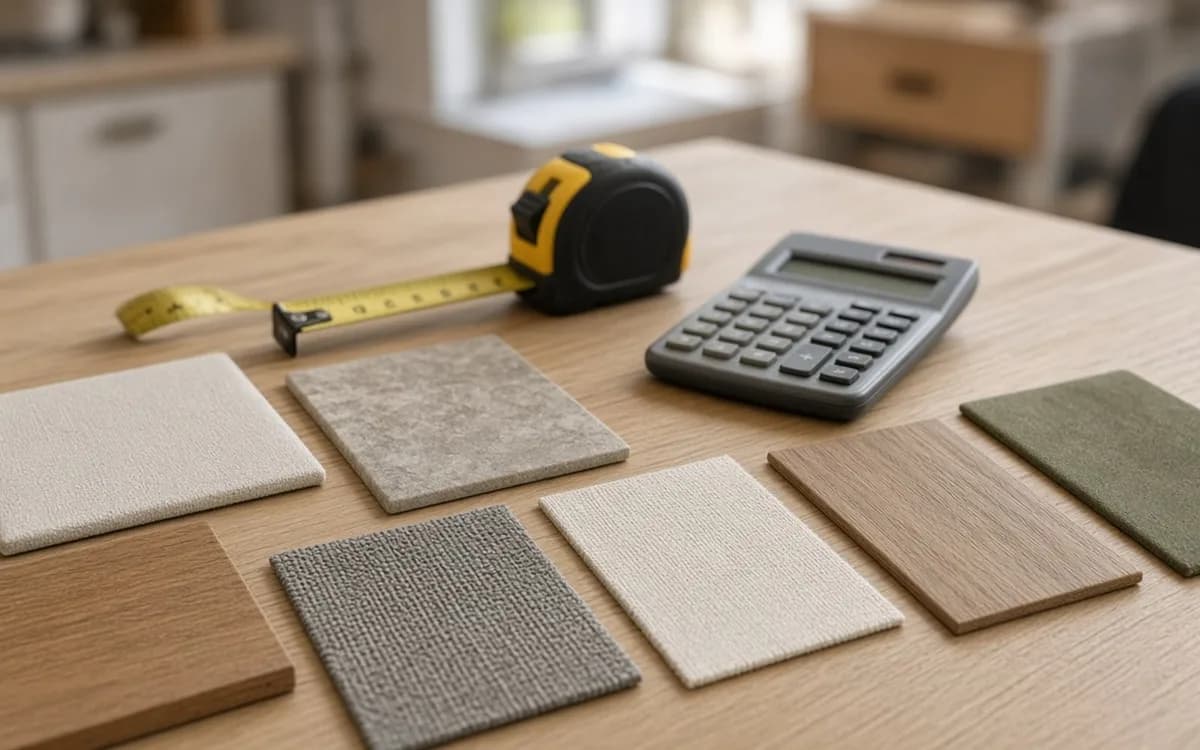
Local labor rates, the brand you choose and the condition of your walls all shift the number. Use the ranges to judge whether a bid is plausible, and use the storage cost calculator to turn your own footage into a planning band.
Closets anchor the market. Angi's 2026 closet organizer guide reports an average project of $1,542 and a custom closet average of $2,128. Reach-ins run $800–$2,500 and walk-ins $2,000–$5,500. HomeGuide's range for a walk-in build is wider, $1,000–$8,000 for a reach-in, because it includes more custom and brand work. Those are the figures most homeowners should hold their first closet quote against.
Other rooms follow. Angi prices pantry organizer systems at $1,000–$3,000 and a custom pantry at an average of $2,000. Fixr's average professionally installed garage system is $3,500. A mudroom built-in in an existing entry is carpentry priced by length, while Angi's average mudroom addition is $12,000. Each of those scopes is covered in more detail below and on its own cost page.
| Scope | Typical published range | Publisher |
|---|---|---|
| Reach-in closet organizer | $800–$2,500 | Angi 2026 |
| Walk-in closet organizer | $2,000–$5,500 | Angi 2026 |
| Pantry organizer system | $1,000–$3,000 | Angi 2026 |
| Whole-garage system, installed | About $3,500 average | Fixr |
| Mudroom addition | About $12,000 average | Angi 2026 |
A linear foot is one foot of fitted wall at standard closet depth, floor to top shelf. Angi's 2026 installed range is $50–$150 per linear foot. Brand showrooms run higher: Bob Vila reports $135–$600 per linear foot across major brands, and HomeGuide lists California Closets at $175–$1,800+ per linear foot. The foot price usually includes panels, shelves, rods, hardware, delivery and installation.
What it usually excludes are accessories: drawers, doors, pull-outs, valet rods, jewelry inserts, lighting and mirrors, which are priced per piece. A closet can have a modest foot price and a large total because half of the budget sits in six drawers and a set of glass doors. When comparing quotes, ask each installer to separate the base footage from the accessories so you can see which is driving the difference.
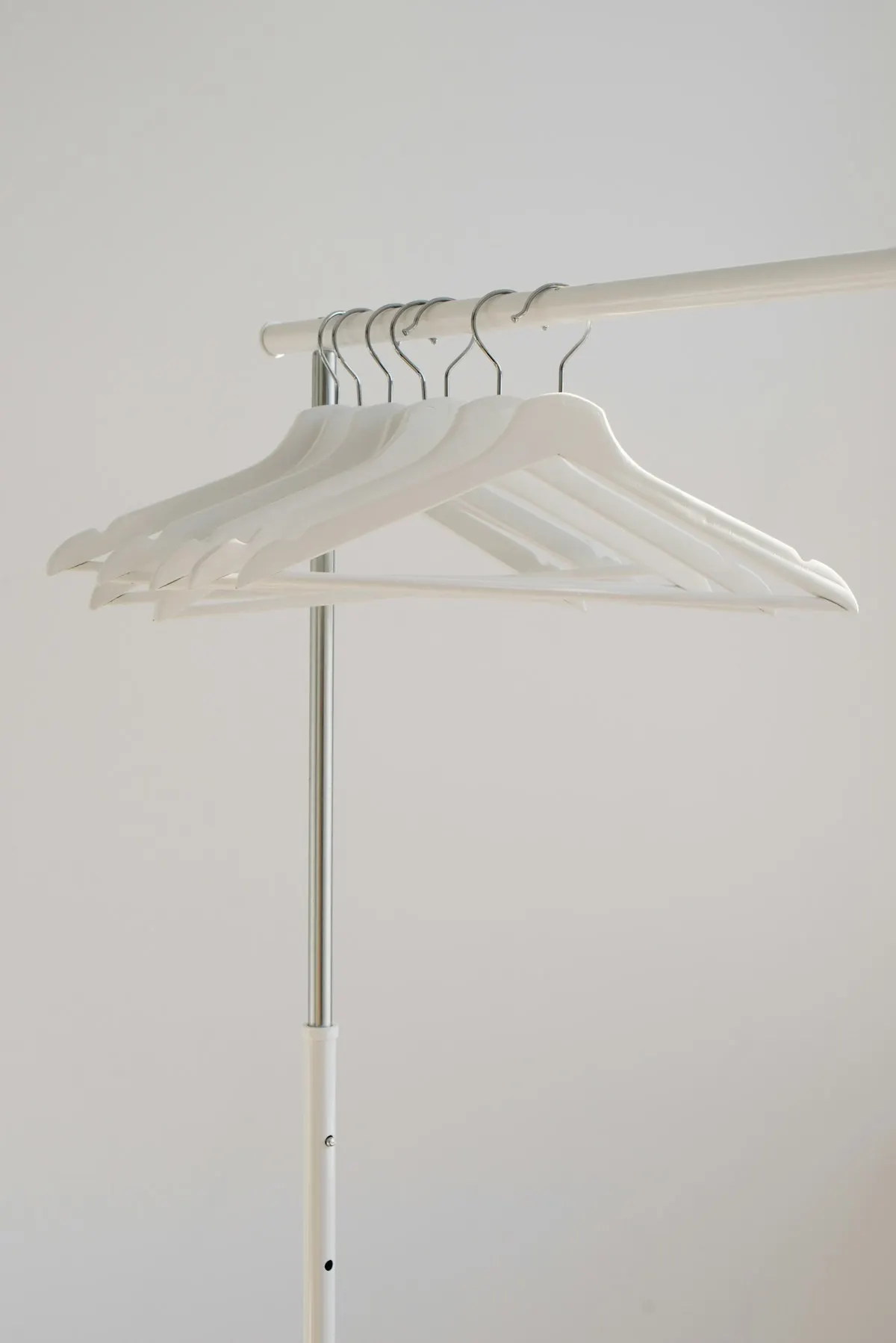
Drawers and doors are the largest single driver in closets, followed by finish. HomeGuide notes colored finishes add roughly a tenth to a fifth and wood-grain up to 40% over white. Angi's material ranges show the spread: wire at $800–$2,000 and laminate at $1,200–$3,500. Brand, ceiling height, uneven walls that need scribing, and the distance the installer travels all add as well.
Prices come down with simpler layouts and fewer accessories. Double-hang in place of drawers, open shelves in place of doors, white in place of wood-grain and prefab for secondary closets all reduce the total without much loss of capacity. Promotions matter too: HomeGuide reports Closets by Design commonly advertises 40–60% off list price, which says as much about the list price as the discount.
Labor is a smaller share than in most remodeling. HomeGuide reports closet installation takes 4–16 hours, and its cost table puts installation labor at roughly $200 to $1,600 per closet. On a $3,000 custom closet, that leaves most of the price in manufactured panels, hardware, design and overhead. Fixr's average of $2,000 describes a 12-foot laminate system with lighting, which gives a sense of how the materials dominate.
In garages the balance shifts slightly toward labor because anchoring into block, lifting cabinets and assembling racks takes longer. Angi reports organizer service labor in the $55 to $75 per hour range for garage work. Mudroom built-ins by a finish carpenter are the most labor-heavy of the four, since painting, scribing and on-site fitting take days rather than hours. Additions are dominated by construction labor.
Labor rates follow local markets, so the same closet costs more in a high-cost metro than in a small town. Brand franchises price by territory, and independent shops price by their overhead. None of the cited publishers breaks closet prices out by state, so treat any regional multiplier you see without a source with caution. The practical test is to get at least three local quotes on the same brief. The garage cost guide and the closet cost guide describe what to ask local installers about travel and minimum charges.
Regional housing stock changes the scope as well as the rate. Our analysis of the EIA's 2024 household survey shows attached garages in about half of Western homes but under a third in the Northeast, and a second refrigerator in the garage is far more common in the South and West than in the Northeast. Older Northeast houses have plaster walls and shallow closets that need more scribing. Snow regions push mudroom work toward drained floors and heated rooms, which costs more than a bench and hooks.
The usual late lines are removal of old wire shelving and patching the holes it leaves, baseboard removal where panels meet the floor, carpet cutting, electrical work for a closet light or a garage outlet, paint, and disposal. In garages, add clearing the space, moving the second refrigerator and anchoring into block. Our analysis of the EIA's 2024 household survey found 15.1% of homes keep a second refrigerator in the garage, and the storage plan has to work around it.
Ask about these in writing before signing. A quote that says installation included but lists nothing about removal, patching or electrical is incomplete, not cheap. Mudroom and pantry conversions can also reveal outlets in the wrong place or a floor that needs replacing once the old shelves are out. A small contingency, set aside and not spent unless needed, keeps these from derailing the project.
A useful bid includes a dimensioned drawing of each wall, the total linear footage, the material and finish, each accessory with its price, anchoring method, removal and patching, electrical if any, lead time, installation duration, payment schedule and warranty terms. If any of those are missing, ask. A bid that gives only a single total with a rendering cannot be compared against another installer's price.
Convert each bid to the same units. Divide the base price by linear feet, list accessories separately, and add the late lines. Then compare. A higher foot price with fewer accessories may be better value than a low foot price padded with drawers you did not ask for. The comparison of custom and prefab closets shows how the same wall can be priced both ways.
Closets hold value well. The National Association of Realtors' 2025 Remodeling Impact Report estimates 83% of the cost of a closet renovation is recovered at sale. NAHB's 2024 buyer survey found 81% of buyers rate garage storage essential or desirable. Those figures support spending on the primary closet and the garage more than on secondary closets.
The larger return is day to day. Life360, citing a Shane Co. survey, reports Americans spend 17 hours a year looking for lost items. A storage unit at SpareFoot's 2026 average costs every month indefinitely, while a garage system is a one-time cost. Weigh the project against those running costs as well as against resale.
Homeowner polls
Angi's 2026 custom closet average is $2,128.
No votes yet. Yours will be the first. · saved on this device
No votes yet. Yours will be the first. · saved on this device
Usually because of accessories, finish or brand. Averages include wire and prefab systems in small closets. A walk-in with drawers, doors and wood-grain laminate from a showroom brand will sit well above them. Ask for the base footage price and each accessory separately, then compare those pieces against the ranges in this guide.
Often, for secondary closets. HomeGuide prices prefab systems at $400 to $2,200 installed, well below custom. A handyman install on a kit keeps costs low but offers no scribing, limited drawers and no design. For a primary closet, compare that total with an independent custom shop before assuming the kit wins.
Budget for an electrician if the light is hardwired. Battery or plug-in LED strips cost little and need no permit, but a switched fixture or integrated panel lighting usually needs a circuit extended, which adds noticeably to labor and may need a permit. Ask each installer whether lighting is included or subcontracted.
Sometimes. HomeGuide's brand bands show showroom prices spanning well above independent shops. You pay for design software, showrooms, financing and consistent warranties. An experienced independent can build the same scope for less. Get at least one of each on the same brief and compare footage, accessories and warranty terms.
A deposit is normal because panels are cut to order. Keep it proportionate, get the drawing and price in writing first, and schedule the balance on completion. Avoid paying in full before installation. Check whether your state limits home improvement deposits; many do.
Yes, and it often makes sense. Start with wall rails and shelving for items used weekly, then add overhead racks, then cabinets. Fixr's range from prefab to custom leaves room to phase the spending. Make sure the first stage leaves wall space for later stages, and keep the same rail system throughout.
Generally not for a primary residence. Storage work is a personal improvement, though it may add to your cost basis when you sell. Home office storage or a rental property can be different. Ask a tax professional, since rules depend on how the space is used.
A small contingency covers most closet and pantry surprises, such as patching after old shelving comes out. Garages and conversions need more because block walls, floors or electrical issues surface once the room is empty. Additions follow normal construction contingency practice, which is larger still.
 Service guideCustom Closet Systems
A custom closet system is shelving, rods, drawers, and doors cut and installed to the dimensions of your closet and the contents of your wardrobe.
 Service guideGarage Storage Solutions
Garage storage covers wall systems, cabinets, shelving, and overhead racks that hold tools, bikes, bins, and seasonal gear while leaving room to park and move.
 Service guidePantry Organization
Pantry organization is the planning and fitting of a food closet, walk-in pantry, or pantry cabinet so everyday items are visible and reachable and bulk items and appliances have a place.
 PlanningHow to plan a storage project from the inventory to the installer brief
Plan a storage project in five steps: sort and purge first, inventory what remains by category and dimension, measure the walls, ceiling and framing, choose a scope that fits the contents and budget, and write a one-page brief with a sketch.
 MaterialsStorage materials compared: what each one holds, costs and tolerates
Wire shelving is the cheapest and most moisture tolerant but sags and marks soft clothes.
 PermitsPermits for storage work: when shelving becomes a permitted project
Most closet, pantry and garage shelving needs no building permit because model codes treat cabinets and similar finish work as exempt.
 Free toolStorage cost calculator: price the system by the linear foot
Size, material tier and complexity in, a realistic budget range out.
 Free toolWhich storage option fits? Comparisons with sourced numbers
Side-by-side tables for the decisions that change the price most.
 Free toolHow well do you understand storage pricing and design?
9 questions that show what you already know and what to check next.
 Free toolPolls: how other homeowners handle storage
See what other planners chose and add your vote.
Tell us the size, the condition of what is there now, and what you want to change. Closet Flow Guide passes your request to independent local professionals, who reply with written, no-obligation estimates. The service is free to use.