What decided your last storage quote?
No votes yet. Yours will be the first. · saved on this device
Loading...
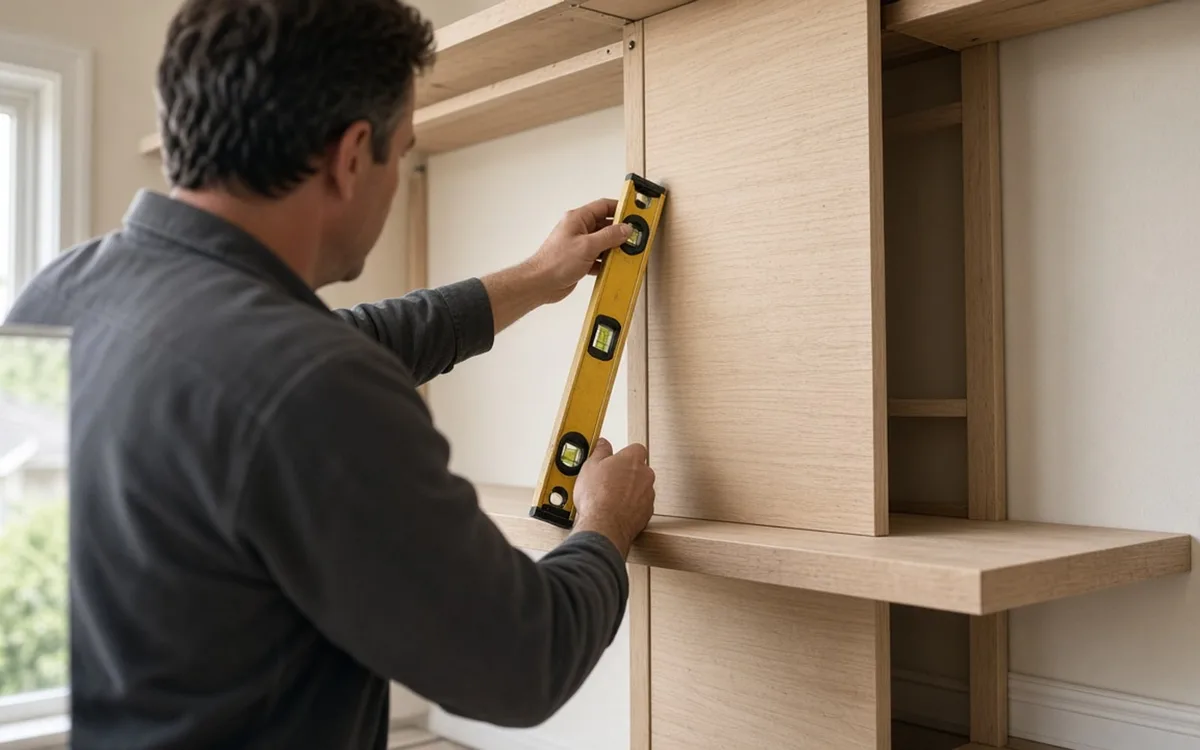
About Closet Flow Guide
Closet Flow Guide is an independent planning resource for U.S. homeowners fitting out closets, pantries, garages, and entryways. It explains how storage is priced and designed using published cost guides, government housing data, and industry surveys, and it forwards estimate requests to independent local professionals. It does not install anything, sell products, or employ designers; the matching is free and carries no obligation.
This site exists because storage is sold backwards. The industry is large, with Mordor Intelligence valuing U.S. home organizers and storage at $12.05B in 2025, and almost all of its marketing starts with the product: the showroom closet, the container set, the garage cabinet package. Homeowners meanwhile carry a problem that begins with their belongings and their routines, and there is very little published guidance that starts there.
The pages here begin with the inventory and end with a written estimate. Every number is attributed in the text to a cost guide, a government survey, or a named industry study, with a link. When you are ready, the request form sends your inventory and photos to independent pros in your area.
Published cost guides from Angi, HomeGuide, Fixr, HomeAdvisor, and Bob Vila, which aggregate project data or catalog pricing; government sources including the EIA's 2024 Residential Energy Consumption Survey for garage and appliance stock; industry and buyer research from NAR and NARI, NAHB, the Self Storage Association as cited by PwC, SpareFoot, StorageCafe, and Mordor Intelligence; and homeowner surveys from Houzz, Talker Research, IKEA, and the American Cleaning Institute. Each statistic on the site carries its publisher, year, and link.
Angi's $2,128 average is a national figure for a custom closet installation; your closet will not cost exactly that. Our analysis of the EIA's 2024 household survey finds an attached garage in 42.9% of occupied homes; that describes installed housing stock, not how many garages get organized each year. Houzz's finding that 47% of its surveyed kitchen renovators added pantry cabinets describes Houzz users, not all households. The pages preserve those distinctions because a number used outside its denominator misleads.
It explains: how systems are priced per linear foot, what materials cost, how to inventory a wardrobe, a pantry, a garage, or an entry, what the install involves, and how to read a proposal. It provides planning tools: a linear-foot calculator, comparisons, a quiz, and polls that show how other homeowners approached the same decisions.
It does not install storage, employ or dispatch designers, sell containers or systems, verify any installer's credentials on your behalf, or take a share of any job. Estimate requests are forwarded to independent professionals who serve your area; you decide whether to proceed with any of them. No installer pays to be recommended in the editorial content, and the editorial content does not name installers.

Because the inventory is what the homeowner controls and what moves the price most. A closet quote is linear feet times a per-foot rate plus accessories; the feet you need come from your clothes, not from the wall. HomeGuide's $70 to $270 per foot range and Angi's $50–$150 per linear foot describe the same laminate; the difference between a $1,500 closet and a $4,000 one is usually feet and drawers that an inventory would have shown were unnecessary or essential.
StorageCafe found 33% of Americans rent a storage unit and 42% feel cluttered at home. Products have not solved that; the category has grown for decades while the clutter has too. A method that starts with what you own and how you put it away is the only thing that has a chance, and it costs an hour with a tape measure.
By keeping the editorial content and the matching separate. The articles would read the same if no request form existed. Statements about installers are general and sourced; the site does not claim its matched professionals are licensed, insured, top-rated, or anything else, because verifying that is the homeowner's job and the site does not do it. The reviews page explains how to do it yourself.
The site runs no surveys of its own and publishes no figure without a source. Its own numbers are weighted tabulations of public federal microdata: our analysis of the EIA's 2024 survey found 32.0% of owner-occupied homes with an attached garage keep a second refrigerator in a garage, a detail most garage layouts forget. Where good public data is missing, such as a per-foot benchmark for mudroom built-ins, the pages say so and tell you what to compare against instead.
A homeowner who is busy, practical, and tired of a closet that does not work. Someone who would rather understand why laminate costs $100 a foot than be told a package price. NAR's 2025 report puts closet renovation at 83% cost recovery, so the money is not wasted, but only if the closet fits. That is the gap the site tries to fill: one inventory, one drawing, one comparable set of written estimates. The services hub is the place to start.
 Service guideCustom Closet Systems
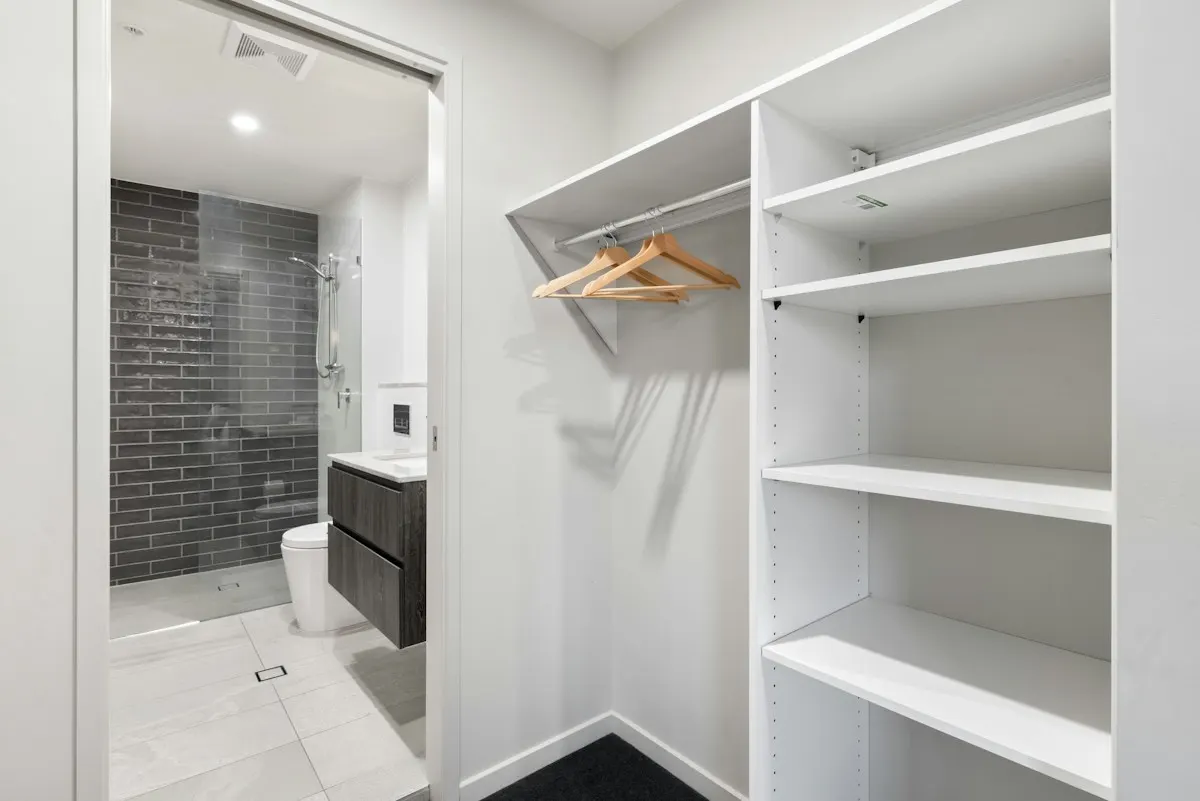
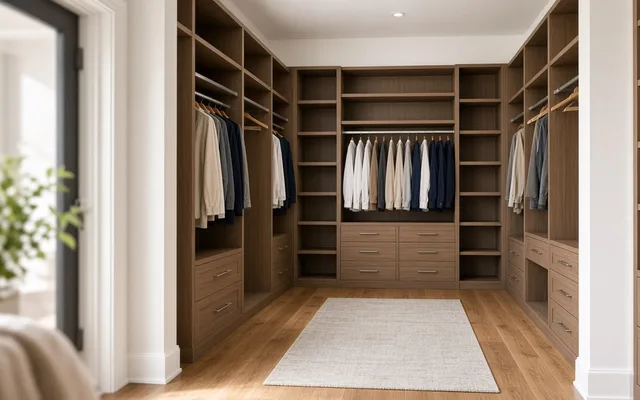
A custom closet system is shelving, rods, drawers, and doors cut and installed to the dimensions of your closet and the contents of your wardrobe.
 Service guidePantry Organization
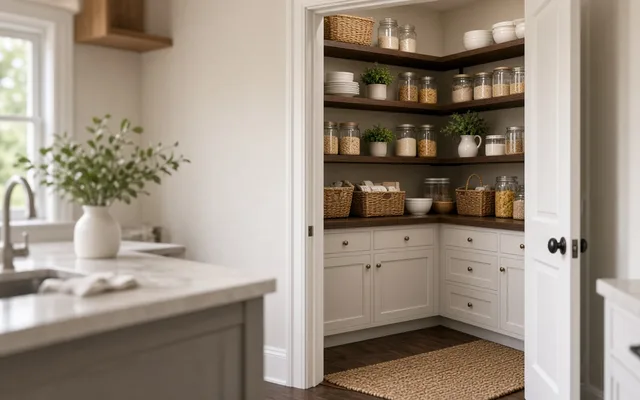
Pantry organization is the planning and fitting of a food closet, walk-in pantry, or pantry cabinet so everyday items are visible and reachable and bulk items and appliances have a place.
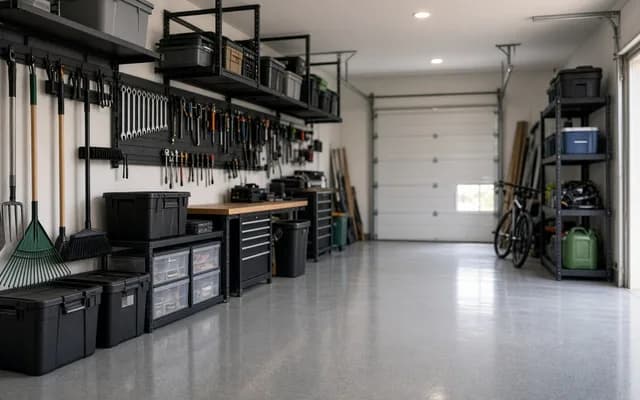 Service guideGarage Storage Solutions
Garage storage covers wall systems, cabinets, shelving, and overhead racks that hold tools, bikes, bins, and seasonal gear while leaving room to park and move.
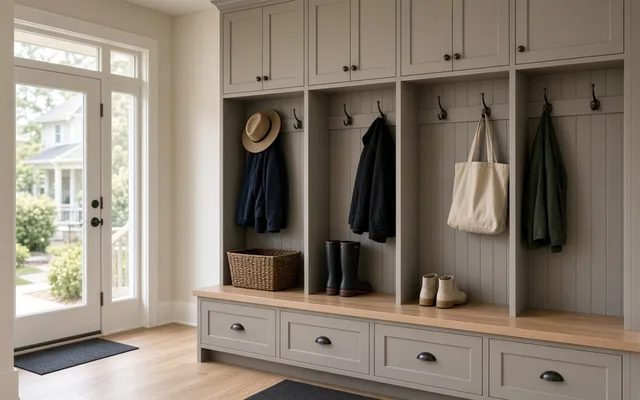 Service guideMudroom Built-Ins
Mudroom built-ins are the bench, cubbies, hooks, drawers, and cabinets that give each household member a place for coats, bags, and shoes at the door.
Homeowner polls
No votes yet. Yours will be the first. · saved on this device
No. It is a planning and matching resource. It publishes explanatory content based on published data and forwards estimate requests to independent local professionals. It does not employ designers or installers, manufacture or sell systems, or guarantee anyone's availability or pricing. Any installer you hire through a matched estimate is an independent business, and your agreement is with them.
No. The content, the calculator, the comparisons, the quiz, and the polls are free, and submitting an estimate request costs nothing and creates no obligation. You may hear from more than one installer; you can decline all of them. The site does not charge homeowners at any point.
Each figure carries its publication year; most cost guides cited are 2025 and 2026 editions, with a few 2024 references for brand pricing and buyer preferences. Laminate, hardware, and labor move with the market, so treat anything more than two years old as a floor. The site updates when its sources do.
Because the panels are similar across brands and the differences that matter, design attention, lead time, net price after promotions, and warranty, vary by franchise and by market. The site reports published price bands for the major brands so you can compare a quote against them, and it recommends getting one brand quote and one independent quote for the same drawing.
Yes. The inventory method, the shelf spacing rules, the anchoring guidance, and the per-foot benchmarks apply whether a pro installs or you do. HomeGuide prices prefab systems at $400 to $2,200 installed and wire materials from $150; a handy homeowner can assemble either. Custom laminate with scribed panels is installer work.
Published, linkable sources with a stated methodology or a large sample: national cost guides, government surveys, buyer and industry research from named organizations, and named homeowner surveys. Each is attributed in the text with its year and, where the note is important, its denominator. Where sources disagree, the pages show both rather than picking one.
Your inventory, measurements, and photos go to independent professionals serving your area. Those who are interested respond directly with questions or a written estimate and drawing. Compare the responses with the guidance on the site, ask for insurance details and references, and hire whoever you choose, or nobody. The site is not involved in the transaction.
 LocationsRegional planning notes
How climate, codes and prices change a project across U.S. regions.
 ArticlesPlanning articles
Cost guides, checklists and mistakes to avoid before you sign.
 ReviewsHow to read reviews
What genuine contractor reviews look like and what they leave out.
Tell us the size, the condition of what is there now, and what you want to change. Closet Flow Guide passes your request to independent local professionals, who reply with written, no-obligation estimates. The service is free to use.